A friend of mine spent months dreaming about buying his first car on installments. He had a stable job, a decent salary, and had already picked out the model he wanted. When he finally walked into the bank to apply for a car loan, he was turned down within a few days. The reason the officer gave was vague, something about his credit profile not meeting the criteria.
He had no idea what that meant. He had never taken a loan before, never defaulted on anything, and considered himself financially responsible. What he did not know was that a credit card he had gotten three years earlier, used a few times, and then essentially forgotten about, had accumulated late payment charges he was unaware of. Those missed payments had quietly damaged his credit profile without him ever receiving a clear warning.
He eventually got his car loan sorted after several months of fixing the issue. But the whole experience cost him time, stress, and a fair amount of confusion that could have been avoided if he had simply understood how credit history works in Pakistan.
Table of Contents
What is a Credit Score?
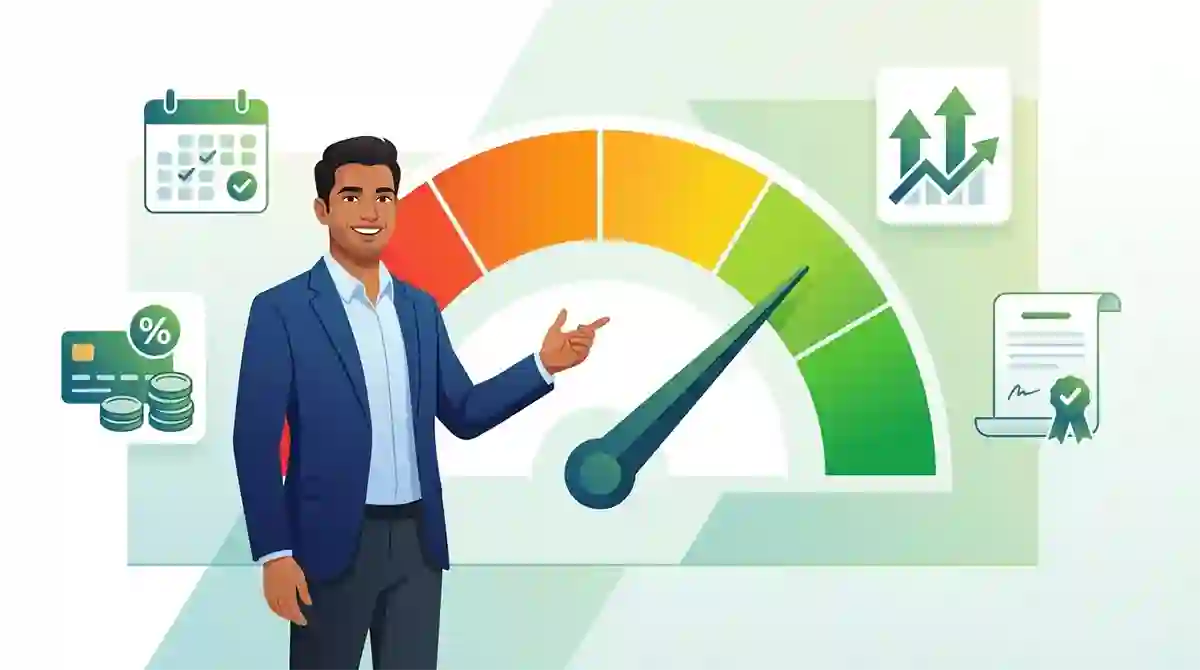
A credit score is a numerical summary of your credit history. It tells lenders how reliably you have managed borrowed money in the past, and from that, gives them a basis to judge how likely you are to repay new debt in the future.
Think of it as a financial report card. Every time you take a loan, use a credit card, or make an installment purchase, that activity gets recorded. Whether you paid on time, how much you owed, whether you ever defaulted, how long you have had credit facilities, all of this feeds into your credit profile and ultimately your score.
A high credit score tells a bank you are a trustworthy borrower. A low one raises red flags. And no credit history at all, which is where many Pakistanis find themselves, is its own kind of problem because there is nothing for a lender to evaluate.
Also read: Difference between Islamic Banking vs Conventional Banking
How Does It Work in Pakistan? The Role of ECIB
In Pakistan, credit information is managed through the Electronic Credit Information Bureau, commonly known as ECIB, which operates under the State Bank of Pakistan. Every bank and financial institution that issues loans or credit cards is required to report their customers’ credit data to ECIB regularly.
When you apply for a loan or credit card at any bank, that bank pulls your ECIB report to see your full credit history across all institutions. It is a centralized record. If you defaulted on a loan at Bank A five years ago, Bank B will see that when you apply with them today.
The ECIB report includes details of all your current and past credit facilities, your repayment history on each one, any defaults or write-offs, the total outstanding amounts, and how long each facility has been active.
Pakistan does not yet have a single universally used credit score number the way the FICO score works in the United States. What lenders primarily work with is the detailed ECIB report itself, combined with their own internal scoring models. However, the underlying principle is the same: your borrowing and repayment history determines how lenders assess your creditworthiness.
Why Does Your Credit History Matter?
Your credit profile directly affects your ability to access formal financial products in Pakistan. Here is where it shows up most concretely.
Loan Approvals
Whether you are applying for a home loan, car loan, personal loan, or business financing, the bank will check your ECIB report as part of the approval process. A clean history with no defaults and a track record of on-time repayments significantly improves your chances of approval. A history with missed payments or defaults can lead to outright rejection regardless of your current income level.
Interest Rates and Loan Terms
Even when a loan is approved, your credit history can affect the terms you are offered. A borrower with a strong repayment history may be offered a better markup rate or more favorable repayment terms than someone with a patchy record. Over the life of a large loan, even a small difference in rate can translate to a significant difference in total repayment.
Credit Card Approvals
Banks check your credit history before issuing a credit card. If your record shows a pattern of late payments or defaults, your application is likely to be declined or approved only at a lower credit limit.
Rental and Business Agreements
While less formalized in Pakistan than in some other countries, landlords for commercial properties and business counterparties are increasingly checking financial credibility before entering agreements. A poor credit history can affect your credibility in professional contexts beyond just bank loans.
Learn more: How to Start Investing with a Small Amount of Money in Pakistan
What Damages Your Credit History in Pakistan?
Understanding what hurts your credit profile is just as important as knowing what builds it.
Late or Missed Payments
This is the most common and most damaging issue. Every time you miss a payment deadline on a loan installment or credit card bill, it gets recorded. Multiple missed payments signal to future lenders that you are not reliable about repaying on time.
The tricky part is that even small amounts matter. A credit card minimum payment that was missed because you forgot, or a small installment that slipped your mind, can leave a mark on your record that is disproportionate to the amount involved.
Defaulting on a Loan
A full default, where you stop paying a loan entirely, is the most serious negative entry on your credit report. It can take years to overcome and will make accessing new formal credit very difficult in the meantime.
Settling a Loan for Less Than the Full Amount
If a bank agrees to settle your outstanding loan for a reduced amount because you are unable to pay the full balance, this is recorded as a settlement rather than a full repayment. It is better than a default but still signals to future lenders that you did not fulfill your original obligation.
Having Too Many Credit Applications in a Short Period
Every time a bank pulls your ECIB report for a new loan or credit card application, it is recorded as an inquiry. Multiple inquiries in a short period can suggest financial desperation to lenders and may negatively affect how your profile is assessed.
Guaranteeing Someone Else’s Loan
In Pakistan, it is common for family members to stand as guarantors for each other’s loans. If the primary borrower defaults, the guarantor’s credit history is also affected. Think carefully before agreeing to be a guarantor for anyone.
What Builds a Strong Credit History?
Building a good credit history in Pakistan takes time and consistent behavior. There is no shortcut, but the path is straightforward.
Pay Every Installment and Bill on Time
This is the single most impactful thing you can do. Set up automatic payments or calendar reminders for every loan installment and credit card due date. Consistency over time builds the kind of track record that lenders want to see.
Use Credit Cards Responsibly
A credit card used well is one of the most effective tools for building credit history. Spend within your means, pay the full outstanding balance before the due date every month, and keep your utilization low. Running a high balance relative to your credit limit is a negative signal even if you are paying on time.
Keep Old Credit Accounts Active
The length of your credit history matters. An old credit card account that you have managed well for several years contributes positively to your profile even if you barely use it. Closing it removes that history. Keep older accounts open and use them occasionally for small purchases that you pay off immediately.
Do Not Apply for Multiple Credit Products at Once
Space out your credit applications. If you need a car loan and a credit card, consider applying for one, letting it settle, and then applying for the other rather than doing both simultaneously.
Monitor Your Own Credit Report
You are entitled to request your own ECIB report in Pakistan. The State Bank of Pakistan provides a mechanism for individuals to access their own credit information. Check it periodically to make sure everything on it is accurate and that there are no entries you do not recognize, which could indicate fraud or a reporting error.
How to Check Your Credit Report in Pakistan
The process of accessing your personal credit information in Pakistan has become more accessible in recent years.
You can request your credit report through the State Bank of Pakistan’s eCIB portal online. You will need your CNIC number and some basic personal details. The report shows all your current and historical credit facilities, your repayment status on each, and any adverse entries.
Some banks also provide their customers with periodic credit summaries through their internet banking portals or upon request at the branch.
It is worth checking your report at least once a year, and definitely before applying for any major loan or credit facility, so there are no surprises and you have time to address any errors.
How to Fix a Damaged Credit History
If your credit history has negative entries, the first thing to understand is that there is no instant fix. Time and consistent positive behavior are the only real solutions.
Settle any outstanding defaults or overdue amounts first. Contact the relevant banks and negotiate a settlement if needed. Even a settled entry is better than an ongoing unresolved default.
Dispute any errors on your report. If your ECIB report contains entries that are inaccurate, for example a loan you never took or a default that was actually resolved, you have the right to raise a dispute with the State Bank of Pakistan and the relevant bank to have it corrected.
Rebuild through small, managed credit. After resolving outstanding issues, you can begin rebuilding by taking on small, manageable credit facilities and repaying them perfectly. This takes time but it works. Lenders look at the overall pattern, and a sustained recent history of responsible repayment can gradually offset older negative entries.
Be patient. Negative entries on an ECIB report do not stay forever. The exact retention period can vary, but lenders also tend to weight more recent history more heavily than older entries. A default from five years ago with a clean record since then is viewed very differently from a default six months ago.
A Practical Mindset Shift
Most people in Pakistan think about credit only when they need it. They apply for a loan when they want to buy a car, get rejected or offered bad terms, and then scramble to figure out why.
The smarter approach is to think about your credit profile as something you are actively maintaining even when you do not currently need credit. Pay your bills on time. Keep your credit card balance low. Check your ECIB report annually. Treat it the same way you would treat your physical health: consistent small habits maintained over time are far more effective than emergency interventions when something goes wrong.
Conclusion
Your credit history in Pakistan is a quiet but powerful part of your financial life. Most people ignore it until they need a loan, and by then it is either too late to fix quickly or the damage was done years earlier without them realizing.
The good news is that building and protecting a strong credit history does not require anything complicated. Pay what you owe on time, use credit sensibly, and check your ECIB report periodically to stay on top of it.
A clean credit history is not just a number. It is the difference between getting the home loan you need at a reasonable rate, or being turned away at the counter with no clear explanation, just like my friend who lost months chasing a car loan he should have been able to get on the first application.
Do not let that be your story.